-3.png)
Feeling What Cannot Be Explained, an Interview with Karlijn Reynaerts on Beproeven
In Beproeven, Belgian filmmaker Karlijn Reynaerts invites us into a world where something as ordinary as food becomes an overwhelming confrontation. Rather than explaining Avoidant/Restrictive Food Intake Disorder (ARFID) through diagnosis or narrative exposition, the film chooses a far more daring path: it immerses the viewer in the sensory and emotional reality of the condition. Fragmented imagery, distorted close-ups, rhythmic editing, and an acutely controlled soundscape turn the act of eating—or even seeing food—into a visceral experience of anxiety, resistance, and unease.
With a background in audiovisual arts and a clear affinity for experimental form, Reynaerts positions Beproeven at the intersection of cinema, animation, and visual art. The film has already resonated strongly on the festival circuit, earning selections and recognition at Magica Cinémathèque (2025 Semi-Finalist), Big Syn International Film Festival (2025 Nominee), and the Brussels Independent Film Festival.

In this conversation for Final Cut Magazine, Reynaerts reflects on translating an invisible condition into cinematic language, the challenges of sensory storytelling, and why subjectivity may be one of independent cinema’s most vital territories.
Beproeven plunges the viewer into a deeply disorienting sensory world. Can you tell us what drew you to this subject, and how you chose to approach it cinematically?
Beproeven is a short experimental film that portrays the sensory and psychological experience of ARFID. Everyday actions such as looking at or tasting food become intense and destabilizing moments. The film was created through a combination of 2D drawing, stop-motion elements, and manipulated close-up imagery. I focused on texture, rhythm, and visual fragmentation to reflect the internal conflict of the character. Rather than using dialogue, the narrative unfolds through atmosphere and sensory tension. The motivation behind the film was to explore how cinema can communicate internal states that are difficult to verbalize.
You deliberately avoid a clinical or explanatory framework. Why was it important for you to focus on feeling rather than explanation?
Beproeven explores the inner experience of living with Avoidant/Restrictive Food Intake Disorder (ARFID). Rather than approaching the subject clinically, I wanted to translate the emotional and sensory reality of the condition into a visual language. Food, in this film, is not nourishment—it becomes texture, sound, tension, resistance. The film focuses on subjectivity. Through fragmented imagery, distorted close-ups, and rhythmic editing, I aimed to immerse the viewer in a sensory landscape that feels overwhelming and intimate at the same time. Silence and sound design play an essential role in shaping this internal world. For me, Beproeven is about making the invisible visible—giving form to an experience that is often misunderstood or dismissed. It is not an explanation, but an invitation to feel.
Translating an internal, psychological experience into images is no small task. What were the biggest challenges during the making of the film?
The main challenge was translating a deeply internal and psychological experience into something visually tangible without simplifying it. ARFID is complex and often invisible; representing that complexity required careful control of pacing, sound, and composition. Another challenge was balancing immersion with watchability—creating sensory tension without overwhelming the audience.
When you look back at the finished film, what is one element you feel particularly proud of?
I am particularly proud of the film’s sensory coherence. The visual textures, editing rhythm, and sound design work together to create an immersive internal world that feels consistent and emotionally honest.
How did your path into filmmaking begin, and what keeps drawing you back to the medium?
With a background in audiovisual arts, I have always been drawn to visual storytelling and the emotional potential of moving images. Film allows me to explore psychological and sensory experiences beyond language.
Your work sits somewhere between cinema, animation, and visual art. How do you see your practice evolving in the future?
What the future holds remains to be discovered. I intend to keep exploring form, rhythm, and the fragile space between reality and subjective experience. I hope to create more works that carry the same visual sensitivity and emotional intensity.
Beproeven has already traveled through several international festivals. What role do festivals play for you as an artist?
Film festivals create a space for encounter—between filmmakers, audiences, and ideas. They allow films to exist collectively rather than privately. They also bring you into another world. Being surrounded by different stories, cultures, and cinematic languages is deeply inspiring. Festivals expose you to perspectives you might not encounter otherwise. That immersion can shift how you see your own work and open new artistic directions. Beyond visibility, festivals offer context, dialogue, and inspiration. They are places where cinema feels alive—not only as industry, but as shared experience.
What advice would you give to filmmakers navigating the festival circuit, especially with more experimental work?
Be selective and intentional. Not every festival is the right home for every film. Research programming styles and values, and submit where your work truly fits. At the same time, remain patient. The festival circuit requires resilience. Rejections are part of the process and rarely a reflection of quality. Focus on developing your voice rather than chasing validation.
How do you personally see the future of cinema unfolding?
I see the future of film becoming increasingly hybrid. The boundaries between cinema, visual art, digital media, and installation work are dissolving. Audiences are also more open to subjective and sensory storytelling. At the same time, I believe there will always be a need for intimate, human stories. Technology may evolve, but the emotional core of cinema—the desire to understand ourselves and others—remains constant.
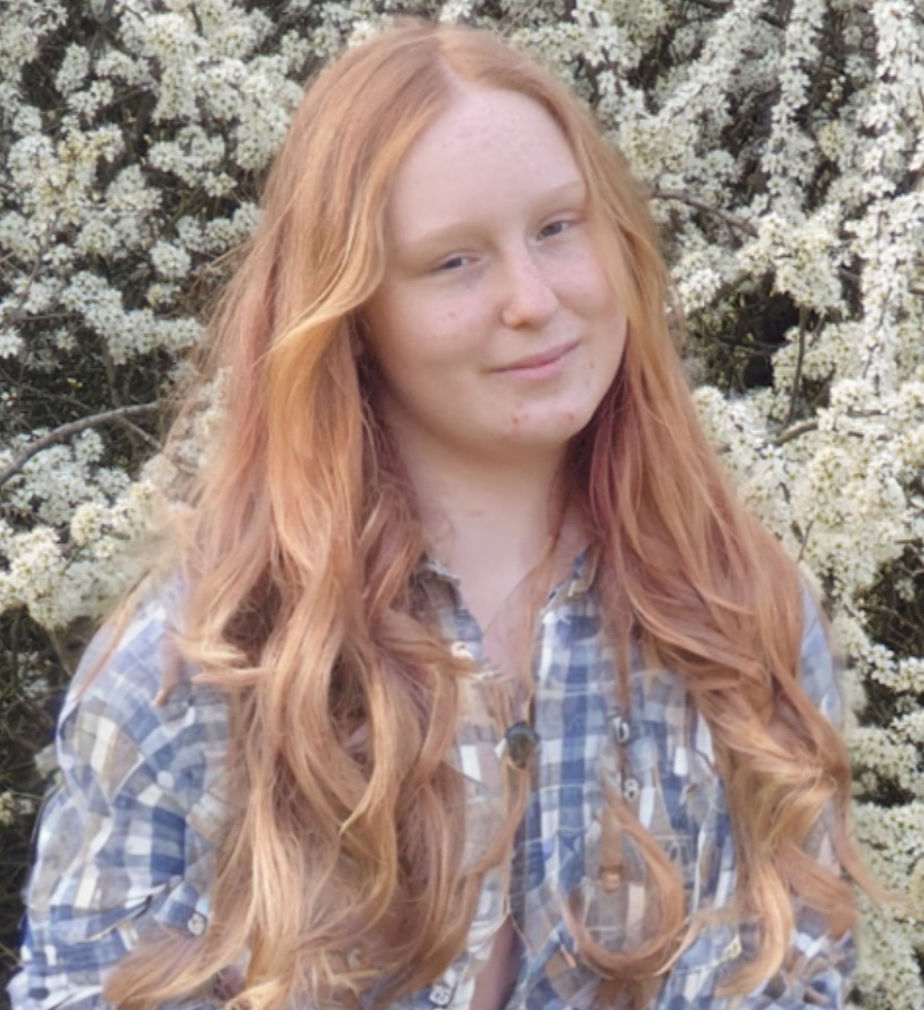
Are there filmmakers or artists whose work you deeply admire and who resonate with your own approach?
I admire artists who approach cinema and animation with sensitivity and a distinct visual voice. Andrea Szelesová inspires me through her emotional restraint and atmospheric precision. Angela Stempel fascinates me for her ability to translate psychological depth into visual language. Robert William Anchuvas Pereña stands out for his boldness in exploring complex themes. Katie Armstrong inspires me through her nuanced and intimate storytelling. What connects all of them is a clear personal voice and a trust in the image—something I strive for in my own work.
Finally, is there a recent film that stayed with you and perhaps echoed some of your own concerns as a filmmaker?
I recently watched Drawing Closer, which I admired for its emotional sincerity and quiet sensitivity. The film approaches vulnerability in a gentle, almost restrained way, allowing the characters’ inner worlds to unfold gradually. What stayed with me was the softness of its tone and the way it treats time and connection as something fragile. Rather than relying on dramatic excess, it builds emotional depth through small gestures and intimate moments. I was particularly drawn to how the film handles themes of impermanence and closeness. It reminded me that subtle storytelling can often feel more powerful than spectacle—something I deeply value in my own work.
Final Cut: Why Beproeven Matters
Watching Beproeven, I was reminded of why independent cinema remains indispensable. Reynaerts does not ask us to understand ARFID in a rational sense; she asks us to sit inside discomfort, to experience how the world fractures when perception itself becomes hostile. In an industry still dominated by explanation, resolution, and clarity, this film insists on opacity, vulnerability, and embodied viewing.
Beproeven belongs to a lineage of independent works that trust the audience enough to let go of narrative safety nets. It operates not as a message, but as a sensation—one that lingers in the body long after the screen goes dark. In a cinematic landscape increasingly shaped by algorithms and familiarity, films like this remind us that cinema can still be a space of risk, empathy, and radical subjectivity. And that, perhaps, is where its future quietly but powerfully resides.
Contact the filmmaker: https://www.facebook.com/share/1AyEaYC8hn/


Comments