-3.png)
Cannes 2026 Unveils a Daring New Generation Through Its Short Films and La Cinef Selections
While the spotlight of the Festival de Cannes often falls on the legendary auteurs competing for the Palme d’Or, some of the festival’s most exciting discoveries emerge from its short film programs. This year, Cannes once again positions itself as a global observatory for emerging cinema with the unveiling of the 2026 Short Films Competition and La Cinef selections — two sections dedicated to the future voices of filmmaking.
Together, the programs showcase filmmakers from across four continents and dozens of countries, reflecting a cinema increasingly international, formally adventurous, politically engaged, and emotionally intimate.
Short Film Competition: Ten Visions from 136 Countries
Selected from an astonishing 3,184 submissions originating from 136 countries, this year’s Short Film Competition presents ten works competing for the prestigious Short Film Palme d’Or, which will be awarded during the closing ceremony on May 23.
The lineup demonstrates the remarkable diversity of contemporary short filmmaking, ranging from surreal animation and intimate family dramas to politically charged stories and poetic meditations on memory and identity.
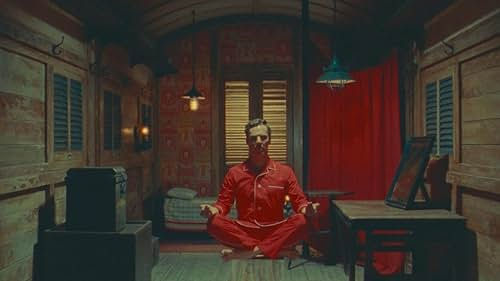
Among the selected titles is Fresh Cut by Hadrien Bels (photo), alongside The Last Spring by Mathilde Bédouet and Sisters’ Swim by Lola Degove.
Animation once again plays a major role in the competition with The End by acclaimed Swedish animator Niki Lindroth von Bahr, whose singular visual universe continues to redefine stop-motion storytelling.
Latin American cinema is represented through Para Los Contrincantes by Federico Luis and Peloton Trueno by Colombian filmmaker Theo Montoya, both filmmakers known for blending realism with social and emotional intensity.
Asian cinema also leaves a strong mark on the competition. Vietnamese filmmaker Thien An Nguyen presents Giấc Mơ Là Ốc Sên (The Dream Is a Snail), while Portuguese director Daniel Soares contributes the evocatively titled Algumas Coisas Que Acontecem ao Lado de um Rio (A Few Things Happening by a River).
Completing the lineup are Spiritus Sanctus by Polish filmmaker Michal Toczek and Niko Ništa Nije Rekao (Nobody Said Anything) by Serbian director Tamara Todorović.
Together, the ten films reveal a generation increasingly drawn to ambiguity, memory, social fracture, and emotional vulnerability — themes that echo throughout the broader Cannes 2026 selection.
La Cinef: The Future of Cinema Begins Here
If the Short Film Competition reveals emerging professional filmmakers, La Cinef remains Cannes’ purest glimpse into cinema’s future.
Now in its 29th edition, La Cinef selected 19 student films — 14 live-action and 5 animated works — from 2,750 submissions sent by film schools worldwide. Directed by 12 women and 9 men, the selected films represent fifteen countries and four continents, underscoring the extraordinary internationalization of film education.
This year also marks the first Cannes appearances for two schools: Hongik University and ISAMM.
The selection includes projects from some of the world’s most prestigious film institutions, including New York University, La Fémis, NFTS, USC Cinematic Arts, Columbia University, and ESCAC.
Among the standout titles is Laser-Gato by Lucas Acher from NYU, while Belgian filmmaker Arwen Aznag presents the provocatively titled Photograph of an Insane Woman to Show the Condition of Her Hair from LUCA School of Arts Brussels.
South Korean filmmaker Wonjung Choi contributes the animated short Bird Rhapsody, while Tunisian director Youssef Handouse brings Somewhere I Belong from ISAMM’s first-ever La Cinef selection.
Other notable entries include Silent Voices by Nadine Misong Jin, Shadows of the Moonless Nights by Indian filmmaker Mehar Malhotra, and Will It Rain Again Today by Japanese filmmaker Wong Chau-Hong.
The La Cinef Awards will be presented on May 21 at the Buñuel Theatre, followed by screenings of the winning films.
A Portrait of Cinema’s Future
What emerges from both selections is a portrait of a new cinematic generation deeply engaged with the emotional and political anxieties of contemporary life. Themes of displacement, identity, ecological unease, intimacy, and fractured memory appear repeatedly across the lineup.
Yet there is also experimentation, humor, surrealism, and formal freedom — qualities Cannes continues to nurture through these sections.
For decades, filmmakers such as Jane Campion, Lynne Ramsay, and Céline Sciamma first gained international attention through Cannes’ parallel sections and short film programs. The 2026 selections suggest the festival remains committed to discovering the next generation long before the rest of the world catches up.
As the Croisette prepares once again to celebrate cinema’s biggest stars, these short films quietly remind audiences where the future of cinema truly begins: in risk, experimentation, and the first fearless works of young filmmakers determined to reinvent the art form.


Comments